
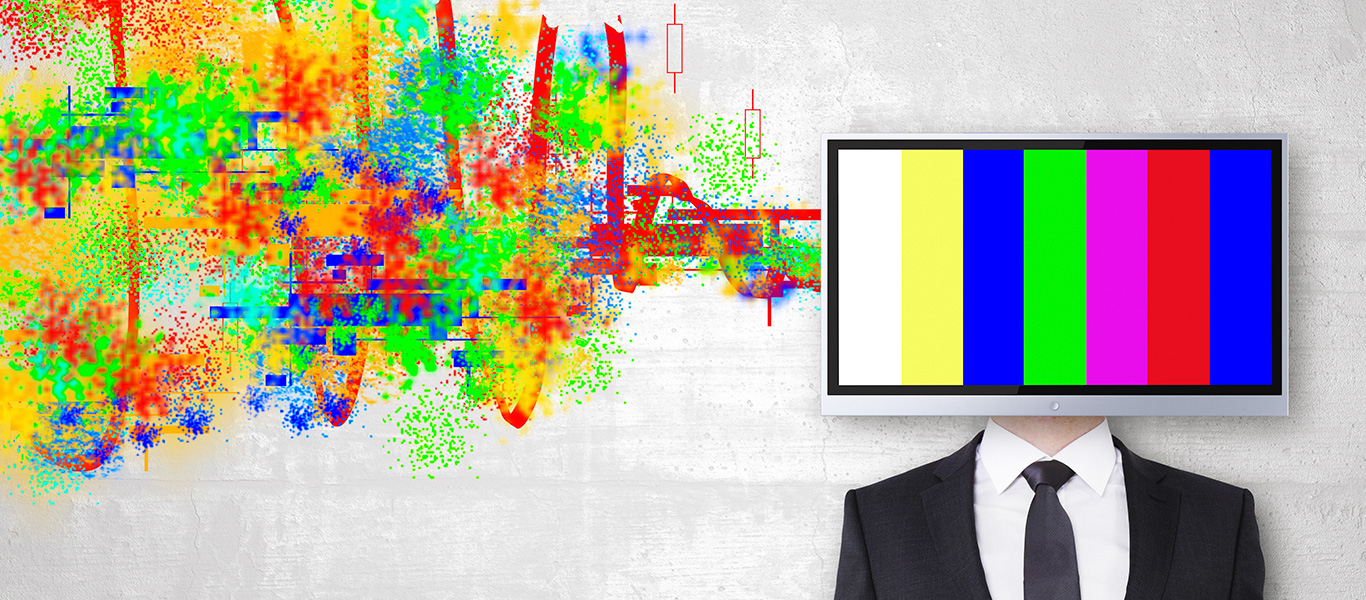
A website is often the first interaction between a startup and its customers. Unfortunately, many startups lose potential clients due to avoidable website design mistakes. Having worked with startups across industries, we’ve seen the same handful of issues come up again and again — issues that quietly cost businesses leads, trust, and revenue. This guide breaks down the most common website design mistakes to avoid, and what to do instead.
Why Website Design Mistakes Cost Startups So Much
For an early-stage business, the website often carries more weight than for an established company — it’s frequently the only impression a potential customer, investor, or partner gets before deciding whether to engage further. A single design mistake, like a confusing homepage or a slow-loading page, can be the difference between a visitor becoming a lead or leaving within seconds.
Common Website Design Mistakes Startups Make
- Unclear Messaging
If visitors don’t understand what you do within the first few seconds, they leave. Your homepage headline and subheading need to clearly state who you help and how — not clever wordplay that requires extra thought to decode. - Slow Loading Speed
Slow websites directly increase bounce rates. Large uncompressed images, poor hosting, and heavy scripts are the most common causes. Compressing images and choosing reliable hosting can meaningfully improve load times. - Poor Mobile Experience
Most visitors browse on mobile devices first. A site that isn’t fully responsive — with cramped text, broken layouts, or hard-to-tap buttons — damages both usability and brand perception. - Complicated Navigation
Too many menu items or unclear page structure confuse visitors about where to go next. Keeping navigation simple, with a clear path to your core pages, helps visitors find what they need without friction. - Weak or Missing Call-to-Action
Without clear, visible buttons like “Contact Us” or “Get a Quote,” visitors don’t know what step to take next — even if they’re interested. Every key page should have an obvious next action. - Low-Quality Visuals
Blurred images, inconsistent fonts, and mismatched colors quietly reduce credibility, even if the copy and offer are strong. Visual polish signals professionalism before a visitor reads a single word.
How These Mistakes Affect Your Startup
Left unaddressed, these design mistakes tend to show up in the same ways:
- Lower conversion rates from visitors to leads or customers
- Poorer search engine rankings due to slow speed and poor mobile usability
- Reduced trust from visitors and potential investors
- Missed business opportunities that a competitor’s cleaner site captures instead
Your website should work as an active sales tool — not just a digital brochure that sits there looking presentable.
How DesignDemonz Helps Startups Avoid These Mistakes
We build fast, responsive, and conversion-focused websites specifically for startups — with a strong focus on clear messaging, performance, and usability from the first wireframe. Every project starts with understanding what a startup’s visitors need to see and do, so the final website supports growth rather than working against it.
Frequently Asked Questions
Final Thoughts
Avoiding these common website design mistakes can save a startup real time, money, and reputation. A professionally designed website isn’t just a formality — it’s one of the most direct growth assets a young business has.
Want a website that avoids these mistakes from day one? Explore our full web design and development services or get in touch to discuss your project.